
A B O U TThe Individual
SCROLL DOWN The Individual
Behind the Experience
A life shaped by institutions, cultures, people and ideas —
where leadership, curiosity and human connection belong together.
THE
Professional
Institution building, transformation, international education, governance and strategic leadership.
Explore the Professional →THE
Individual
Family, travel, philosophy, gastronomy, cultural observations and independent thinking.
Explore the Individual →∞
ONE PERSONALITY.
DIFFERENT PERSPECTIVES.
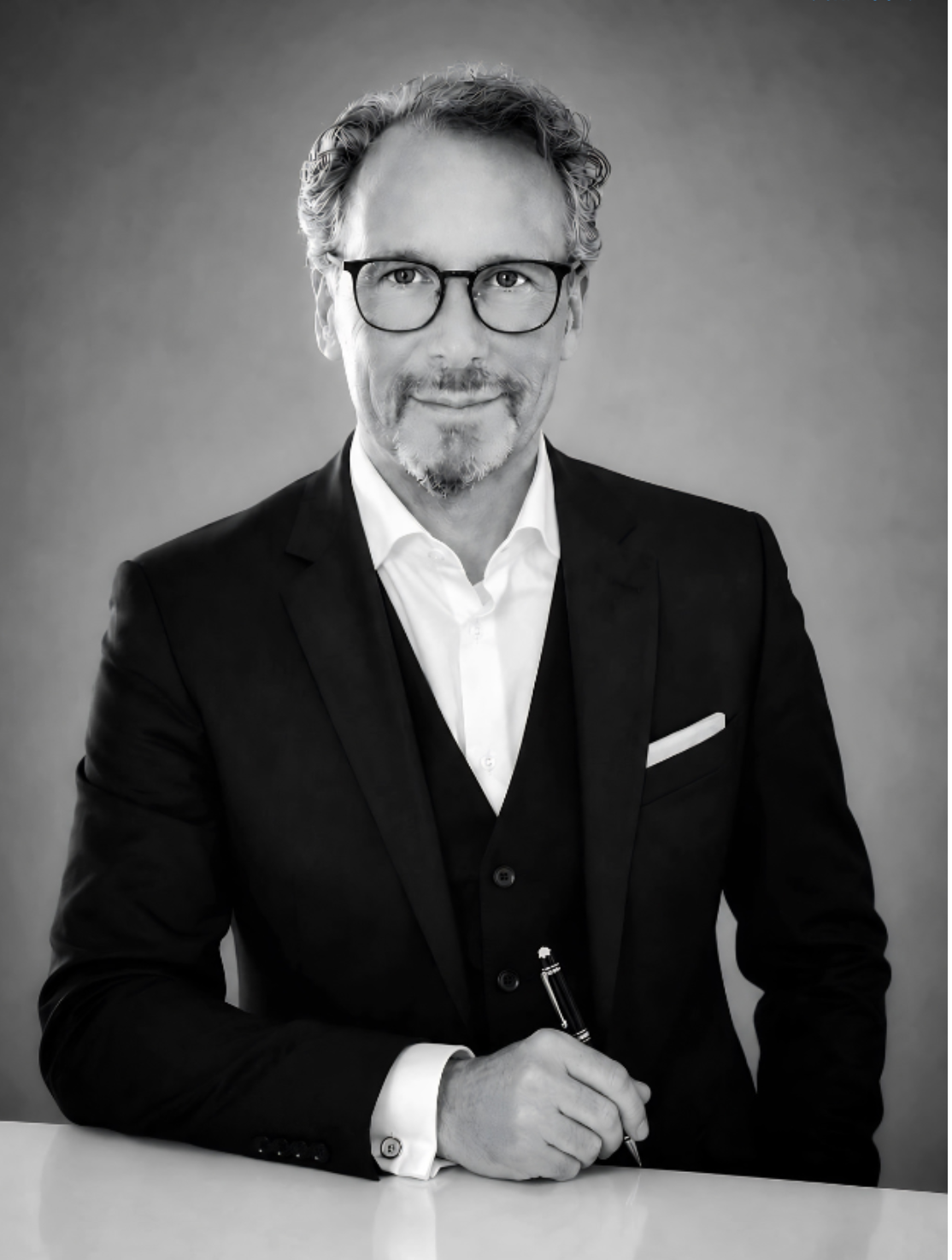
A life shaped by experience, curiosity and conviction.
THE STORYAboutDiscover the story
Thomas A. Pallushek was born and raised in Germany in an environment shaped from an early age by international travel, cultural exchange and exposure to different political, economic and social systems. These experiences fostered a lasting interest in how societies, institutions and people develop — and in the forces that enable organisations either to evolve or to become constrained by their own structures.
His academic background spans law, economics and international business, with studies and academic engagement including the Georg-August University of Göttingen and the University of Freiburg. This interdisciplinary foundation shaped an approach to leadership that combines legal and analytical rigour with entrepreneurial judgement, institutional awareness and a strong orientation towards implementation.
Long before education became one of the most visible dimensions of his professional life, Pallushek worked across entrepreneurial, managerial and advisory environments in Europe and Asia. He established and developed businesses, assumed operational responsibility, and increasingly became involved in situations requiring restructuring, strategic repositioning and organisational change. His work has therefore never been confined to one sector. At its core lies a broader executive perspective: understanding organisations as interconnected systems of people, structures, culture, finance and purpose.
Over time, his professional focus increasingly moved towards assignments in which transformation was not merely desirable, but necessary. Whether in business development, institutional restructuring, strategic advisory or operational leadership, his particular interest has been the point at which an ambitious idea must survive contact with organisational reality. For Pallushek, strategy only acquires value when it can be translated into structures, decisions and behaviours that endure.
Education eventually became a natural extension of this thinking. He has never regarded schools simply as places in which knowledge is transmitted, but as formative institutions that influence how young people understand themselves, society and their own capacity to act within it. This conviction led to extensive work in international education across the Asia-Pacific region, including the establishment, development and transformation of schools and educational organisations.
His approach to education extends beyond curriculum. He has consistently been interested in the relationship between pedagogy, architecture, organisational culture, leadership and human development. Schools, in his view, are ecosystems: the physical environment, the quality of relationships, the intellectual climate, nutrition, movement, emotional security and institutional values all contribute to the way children learn and develop. The same principle applies to organisations more broadly — culture is rarely created by mission statements alone; it emerges from the interaction between people, structures and daily decisions.
Alongside operational leadership, Pallushek has worked as an advisor, speaker and strategist on questions of institutional development, organisational culture, governance, growth and change. His international experience has reinforced a central conviction: successful models cannot simply be transferred from one cultural environment to another. Sustainable transformation requires curiosity, cultural intelligence and the willingness to understand an organisation before attempting to change it.
An important influence on his thinking was his father, a professor of music and the arts. From him came an enduring appreciation of discipline, creativity and the idea that excellence is rarely accidental. Artistic achievement, like institutional achievement, requires imagination combined with rigorous execution. This tension between creativity and discipline continues to inform Pallushek’s approach to leadership.
His own style is direct, engaged and strongly people-centred. He believes that leadership is not primarily about occupying a position, but about creating clarity, developing confidence in others and aligning people behind a purpose they regard as their own. The objective is not simply to manage institutions successfully, but to leave them stronger, more capable and more intellectually alive than they were before.
Underlying this philosophy is a simple idea: lasting change begins before structures change; it begins with the way people think about what is possible.
“Change your thoughts and you’ll change your words, because thoughts become things.”
Latest Articles
Explore all articles →
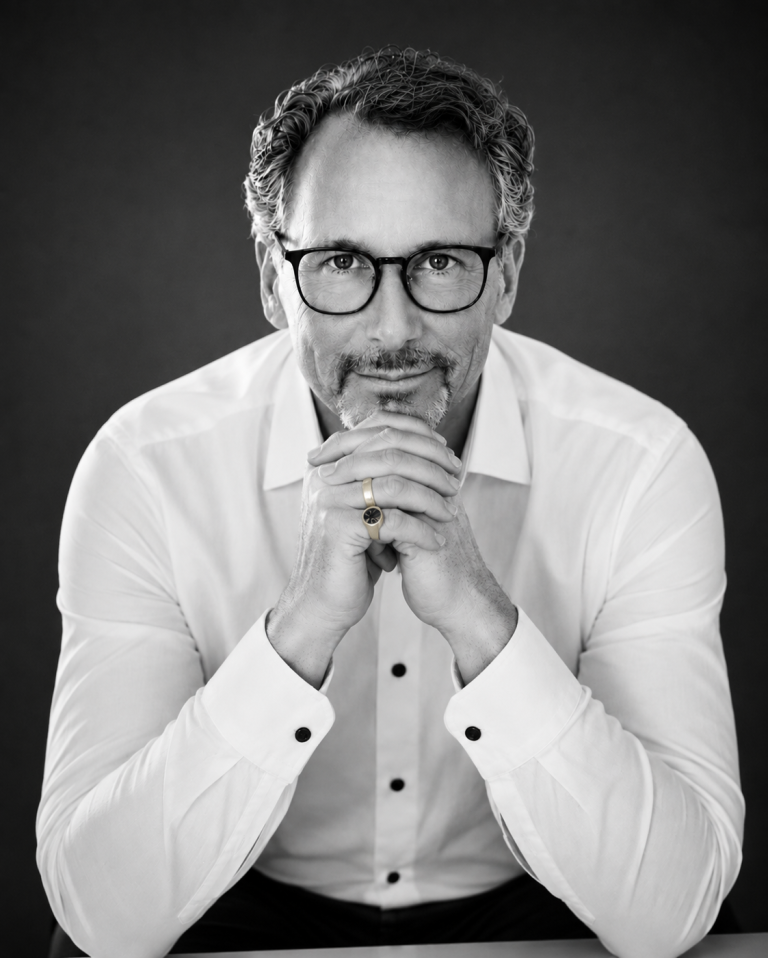
Explore the perspectives
egacy
Category archive →





enturist
Category archive →


umanitarian
Category archive →


osmopolitan
Category archive →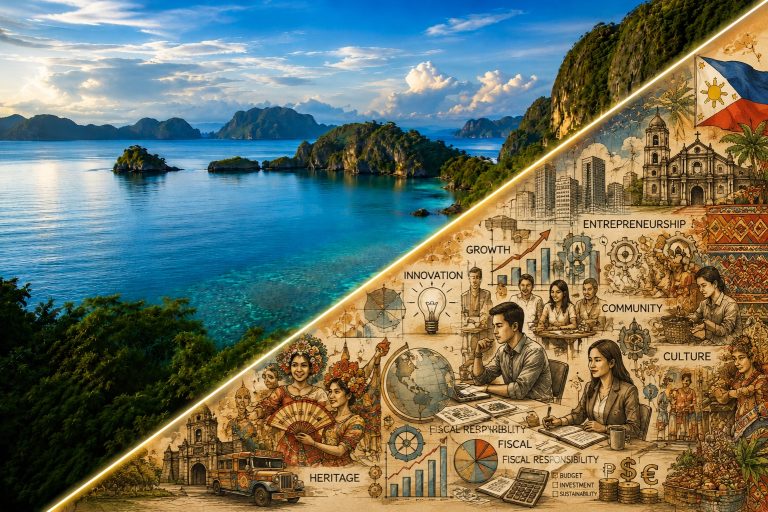
The Philippines: Between Worlds, Yet Entirely Its Own
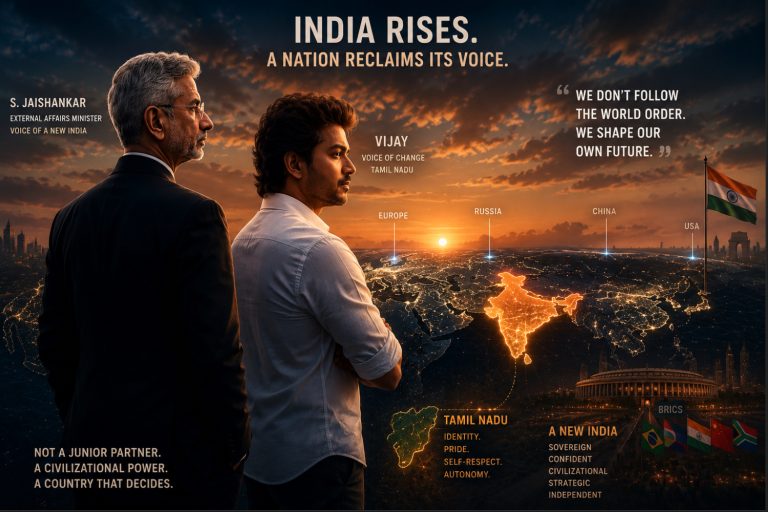
Geopolitical Turning Point: Why India Is No Longer the Junior Partner
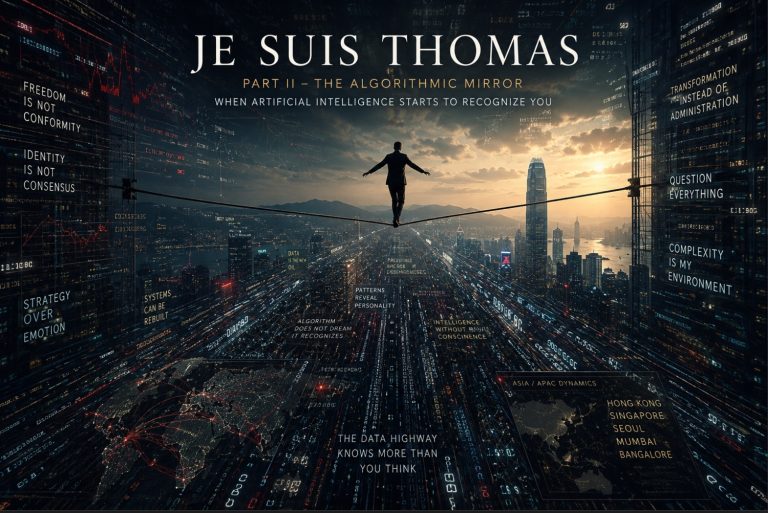
JE SUIS THOMAS

The Six-Month Rule

Die Stadt vergisst, das Dorf erinnert sich

The Psychology of Power – American Foreign Policy, Geopolitical Realism and the Responsibility of Leadership
xplorer
Category archive →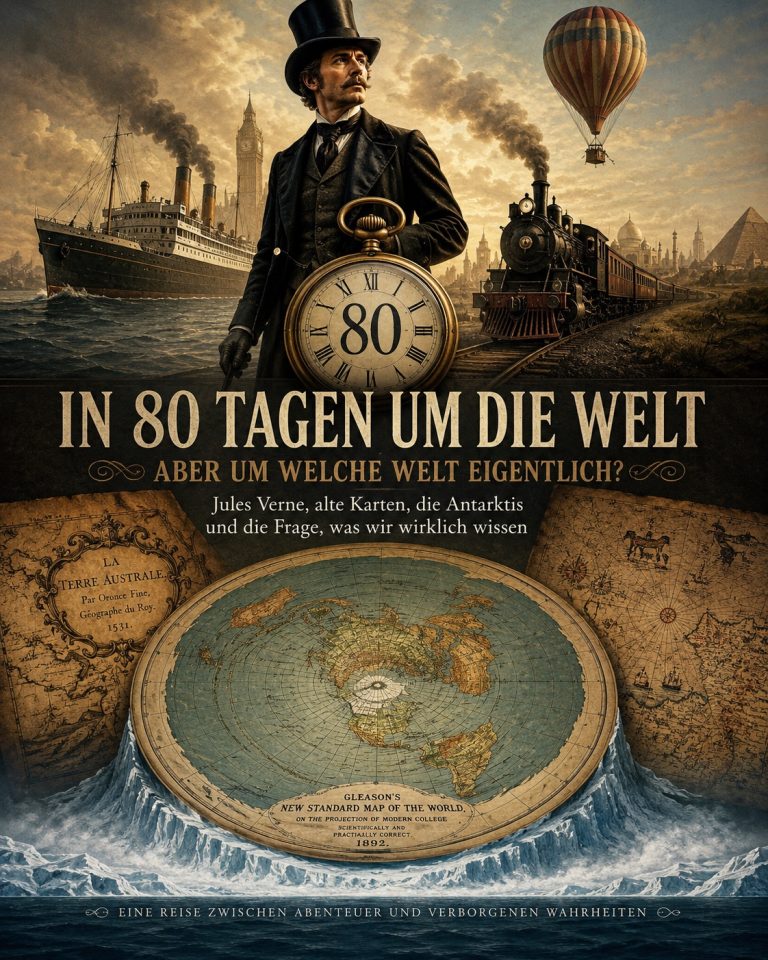

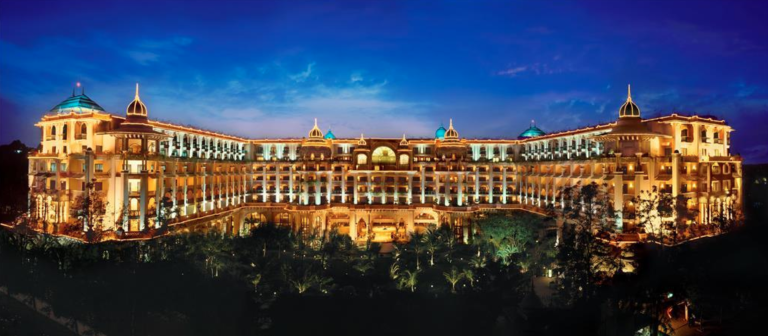
onnoisseur
Category archive →




INSTITUTIONS & INITIATIVES









Supporting Ventures & Social Responsibility
Organisations, initiatives and ideas that have formed part of the journey.
Contact
Conversations begin with curiosity.
Thoughts & Comments
Your perspective is welcome. Comments are reviewed before publication.
With pride, humility, and a heart full of gratitude, I look back on the journey we have shared together. I reflect on all the years in which we have faced challenges, shaped our lives together, turned dreams into reality, and continually discovered new perspectives and possibilities. Our newly designed website represents far more to me than simply a digital presence. It is a reflection of our shared spirit, our ideas, our values, and the future we aspire to create with confidence, passion, and purpose. I am particularly proud of its beautiful new appearance, which Thomas has personally envisioned and designed with such dedication, creativity, and attention to detail. It gives our shared journey a new and distinctive identity, reflecting not only who we are today but also everything we hope to become. Looking back, what I feel most deeply is gratitude — for the beautiful moments we have experienced together, for everything we have accomplished side by side, and for the wonderful memories we have created along the way. Above all, I am grateful for the life we continue to build together and for the many precious moments that still lie ahead. Our past has shaped us. Our present unites us. And our future is something we will continue to create together. With love, pride, and heartfelt gratitude. ❤️