Thomas Alexander Pallushek
Educational Reformer Humanitarian International Speaker
Educational Reformer Humanitarian International Speaker

Thomas A. Pallushek was born and raised in Germany in an environment shaped from an early age by international travel, cultural exchange and exposure to different political, economic and social systems. These experiences fostered a lasting interest in how societies, institutions and people develop — and in the forces that enable organisations either to evolve or to become constrained by their own structures.
His academic background spans law, economics and international business, with studies and academic engagement including the Georg-August University of Göttingen and the University of Freiburg. This interdisciplinary foundation shaped an approach to leadership that combines legal and analytical rigour with entrepreneurial judgement, institutional awareness and a strong orientation towards implementation.
Long before education became one of the most visible dimensions of his professional life, Pallushek worked across entrepreneurial, managerial and advisory environments in Europe and Asia. He established and developed businesses, assumed operational responsibility, and increasingly became involved in situations requiring restructuring, strategic repositioning and organisational change. His work has therefore never been confined to one sector. At its core lies a broader executive perspective: understanding organisations as interconnected systems of people, structures, culture, finance and purpose.
Over time, his professional focus increasingly moved towards assignments in which transformation was not merely desirable, but necessary. Whether in business development, institutional restructuring, strategic advisory or operational leadership, his particular interest has been the point at which an ambitious idea must survive contact with organisational reality. For Pallushek, strategy only acquires value when it can be translated into structures, decisions and behaviours that endure.
Education eventually became a natural extension of this thinking. He has never regarded schools simply as places in which knowledge is transmitted, but as formative institutions that influence how young people understand themselves, society and their own capacity to act within it. This conviction led to extensive work in international education across the Asia-Pacific region, including the establishment, development and transformation of schools and educational organisations.
His approach to education extends beyond curriculum. He has consistently been interested in the relationship between pedagogy, architecture, organisational culture, leadership and human development. Schools, in his view, are ecosystems: the physical environment, the quality of relationships, the intellectual climate, nutrition, movement, emotional security and institutional values all contribute to the way children learn and develop. The same principle applies to organisations more broadly — culture is rarely created by mission statements alone; it emerges from the interaction between people, structures and daily decisions.
Alongside operational leadership, Pallushek has worked as an advisor, speaker and strategist on questions of institutional development, organisational culture, governance, growth and change. His international experience has reinforced a central conviction: successful models cannot simply be transferred from one cultural environment to another. Sustainable transformation requires curiosity, cultural intelligence and the willingness to understand an organisation before attempting to change it.
An important influence on his thinking was his father, a professor of music and the arts. From him came an enduring appreciation of discipline, creativity and the idea that excellence is rarely accidental. Artistic achievement, like institutional achievement, requires imagination combined with rigorous execution. This tension between creativity and discipline continues to inform Pallushek’s approach to leadership.
His own style is direct, engaged and strongly people-centred. He believes that leadership is not primarily about occupying a position, but about creating clarity, developing confidence in others and aligning people behind a purpose they regard as their own. The objective is not simply to manage institutions successfully, but to leave them stronger, more capable and more intellectually alive than they were before.
Underlying this philosophy is a simple idea: lasting change begins before structures change; it begins with the way people think about what is possible.
“Change your thoughts and you’ll change your words, because thoughts become things.”

In my mid-twenties, I believed that life was largely about speed: moving forward, making decisions and pursuing the next opportunity. With time, however, I came to appreciate a different form of capital. Experience cannot be accumulated overnight, and its value is not measured by how quickly one moves but by how thoughtfully one responds. Many […]

Looking back, my real education probably began the day my father decided that philosophical discussions alone would not finance my growing appetite for independence. So he gave me a remarkably simple instruction: “Go work.” And so I did. My first job was in a gardening center, where I spent parts of my days putting tulips […]

Why Strong Societies Begin Inside Strong Families There is a truth modern societies increasingly underestimate:Human beings were not designed for isolation. They were built for connection. The daily emotional and physical closeness between two people — especially between a man and a woman within a family — carries not only romantic significance, but profound physiological […]

Warum Kinder Geborgenheit brauchen – und Eltern manchmal starke Nerven Auf einem Spielplatz erklimmt ein Kind ein Klettergerüst von vielleicht zwei Metern Höhe. Darunter steht ein Elternteil mit der Körperspannung eines Bergretters an der Eiger- Nordwand. „Pass auf!“ – „Nicht so hoch!“ – „Vorsicht!“ Das Kind klettert weiter. Offenbar hat es noch nicht verstanden, dass […]

Wer Sie morgen sein werden, entscheiden Sie heute. Bereits während meiner Schulzeit hatte ich eine Begegnung, die mich bis heute beschäftigt. Ein Mitschüler erklärte mir mit bemerkenswerter Überzeugung, dass Menschen keineswegs dieselben Chancen hätten. Herkunft, Vermögen, gesellschaftliche Stellung und persönliche Beziehungen bestimmten schließlich darüber, wer erfolgreich werde und wer nicht. Er hatte nicht unrecht. Menschen […]

On determination, fear, and what remains when motivation disappears There are moments in life when motivation becomes irrelevant. You do not need encouragement, a vision statement or somebody reminding you of your potential. You do not even need to feel particularly courageous. Sometimes circumstances reduce themselves to something much more primitive: you have to decide […]
The Pallushek family crest represents a connection to a family history that, according to family tradition, reaches back to the fourteenth century.
Historically, coats of arms served as identifying symbols and were often displayed on shields, helmets or other heraldic elements. For me, the family crest is less a claim to status than a reminder of the values passed between generations: responsibility, perseverance and the confidence to shape one’s own future.
Its symbolism invites reflection on continuity and change. The past offers a foundation, but its greatest value lies in what we choose to make of it today.
Originally published on 17 November 2014. Editorially revised in 2026.

Wenn politische Autorität ihre Glaubwürdigkeit neu verdienen muss „Durch Deutschland muss ein Ruck gehen.“ Als Bundespräsident Roman Herzog 1997 diesen Satz aussprach, meinte er wohl kaum, man solle die politischen Möbel gelegentlich umstellen, die Vorhänge wechseln und anschließend alles beim Alten belassen. Er verlangte Reformbereitschaft, Eigenverantwortung und den Mut, Gewohntes infrage zu stellen – ausdrücklich […]
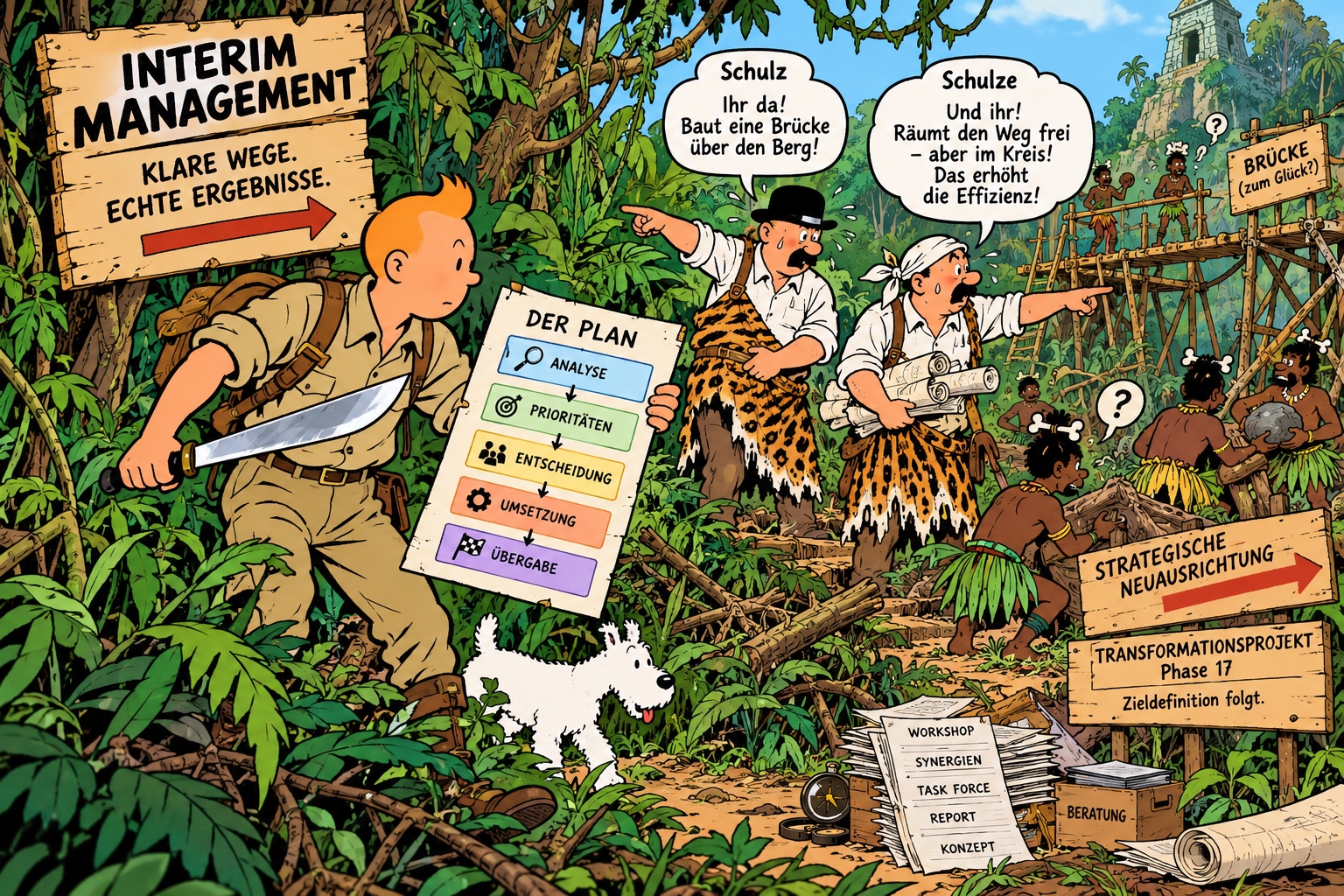
Warum Interim Management zum Geschäftsmodell einer erschöpften Wirtschaft wird Vielleicht ist der Begriff ungerecht, vielleicht ein wenig polemisch: freizeitorientierte Schonhaltung. Wir sprechen heute viel über Work-Life-Balance, Purpose, Homeoffice und die Vier-Tage-Woche. Vieles davon ist eine Errungenschaft. Menschen sind keine Betriebsmittel, und wer lange im Büro sitzt, hat noch lange nichts geleistet. Nur wird in dieser […]

Es gibt einen Punkt im Leben vieler C-Level-Manager, an dem Komplexität ihren Glanz verliert. Strategien, Systeme, Transformationen und Skalierungen bleiben faszinierend — doch irgendwann entsteht ein anderer Wunsch: zurück zur Einfachheit. Zur Echtheit. Zum direkten Kontakt mit Menschen. Zur Klarheit des Lebens jenseits von KPI-Strukturen, Governance-Frameworks und permanenten Entscheidungsarchitekturen. Nach mehr als dreieinhalb Jahren Weltreise […]

Why Professional Distance Is Often Underrated Contemporary discussions of leadership increasingly emphasise empathy, accessibility and harmonious working relationships. These are valuable qualities, but they can become misleading when they suggest that effective leadership should be largely free of conflict. Organisations do not succeed because every decision is popular; they succeed when people understand their responsibilities, […]
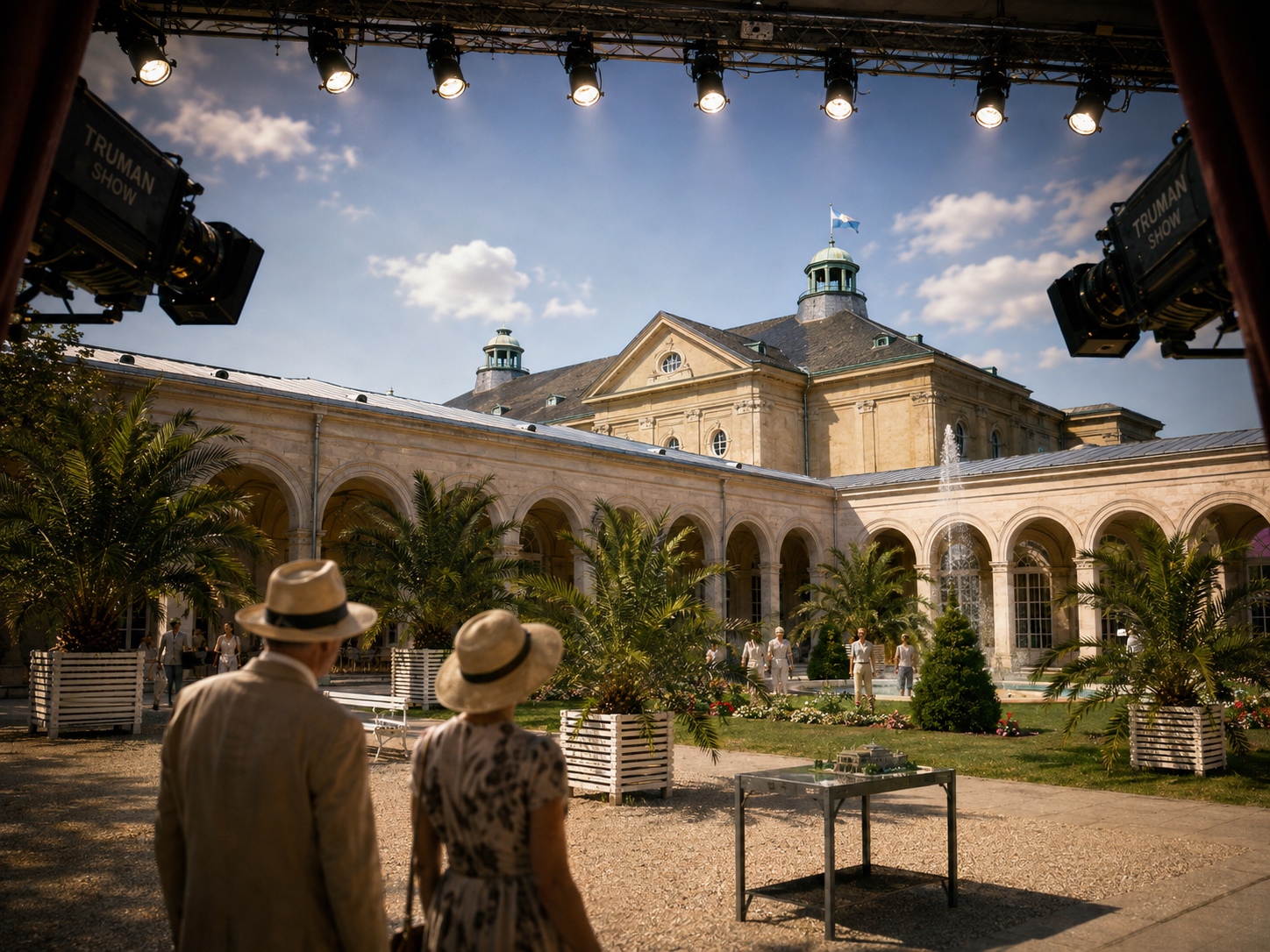
Warum wir schlechten Kaffee kaufen, obwohl der gute direkt gegenüber verkauft wird Es gibt Städte, die leben in der Gegenwart, und es gibt Städte, die zumindest teilweise von der Erinnerung an sich selbst leben. Bad Kissingen gehört zur zweiten Kategorie. Arkaden, Rosengarten, Wandelhalle und historische Fassaden erzählen noch immer von einem mondänen europäischen Kurort, von […]

Leadership & Organisations Consider an accomplished engineering executive who has spent twenty years managing complex projects, substantial budgets, multidisciplinary teams, demanding clients, regulatory requirements, deadlines, negotiations and commercial risks. He has hired people, developed teams, resolved crises, built organisations, negotiated contracts and made decisions involving considerable amounts of money and responsibility. Over the course of […]

Turning sixteen is that milestone in our teenage lives that many of us fondly remember. It is that time that youngsters are just keen to get a grip on their lives both social and academic. Socially, its Sweet sixteen, what would you expect?

Thomas Pallushek examines how establishing an international school in Chennai shaped his approach to educational transformation, leadership and institutional strategy.
But people will often distrust first, and keep distrusting until you give them a good reason to trust. This isn’t how it should be. And certainly not when building a business partnership. You must be smart, sure. Smart and ready to outsmart whomever would try and abuse your trust, that is. But trust has to be given in the first place.

I believe school has a responsibility when it comes to bridging the gap between man and nature, and this starts with a garden and a few animals! Beyond learning responsible behaviors, children will feel proud to have taken properly care of an animal. They’re usually the ones being taken care of by adults: here they can be just as important to someone else’s well being as their parents and teachers are to their own!

Schools are like a triangle with teachers at one end, students at another and parents at yet another. The manager is standing right in the middle of the triangle, trying to figure out every day how to maintain its shape and reconcile everyone around a common goal: education. It’s easy to get lost in the Bermuda Triangle, but no matter what happens, the captain’s responsibility is to maintain the ship afloat and reach the next harbour safely – that is, the next summer holiday.

Take some time today to step back and reflect because the ability to reflect on our thoughts can help to improve ourself as we assess and reflect upon the all the choices we have made.

We’ve all watched the documentary Super Size Me and there’s no end to the criticism the fast food industry in general and McDonald’s in particular have been facing over the years, so I’m not gonna start ranting about how bad over consumption of fast food is for your health: unless you’ve been living on Mars for the last 30 years, you know this already.

Embrace the opportunity. These small clips (lots of them are coming up!) are a nice side dish in between the passion fields. Inhale the spirit of this message into your life!!! You will create an awareness for you and your friends.

Being a ‘real’ businessman you should ideally reach a point in your life/path with an awareness of what’s good and what’s bad for your surroundings. If you are not there yet, then enjoy your journey or stand still – reflect and change if you see that there is a need.
The Pallushek family crest represents a connection to a family history that, according to family tradition, reaches back to the fourteenth century.
Historically, coats of arms served as identifying symbols and were often displayed on shields, helmets or other heraldic elements. For me, the family crest is less a claim to status than a reminder of the values passed between generations: responsibility, perseverance and the confidence to shape one’s own future.
Its symbolism invites reflection on continuity and change. The past offers a foundation, but its greatest value lies in what we choose to make of it today.
Originally published on 17 November 2014. Editorially revised in 2026.
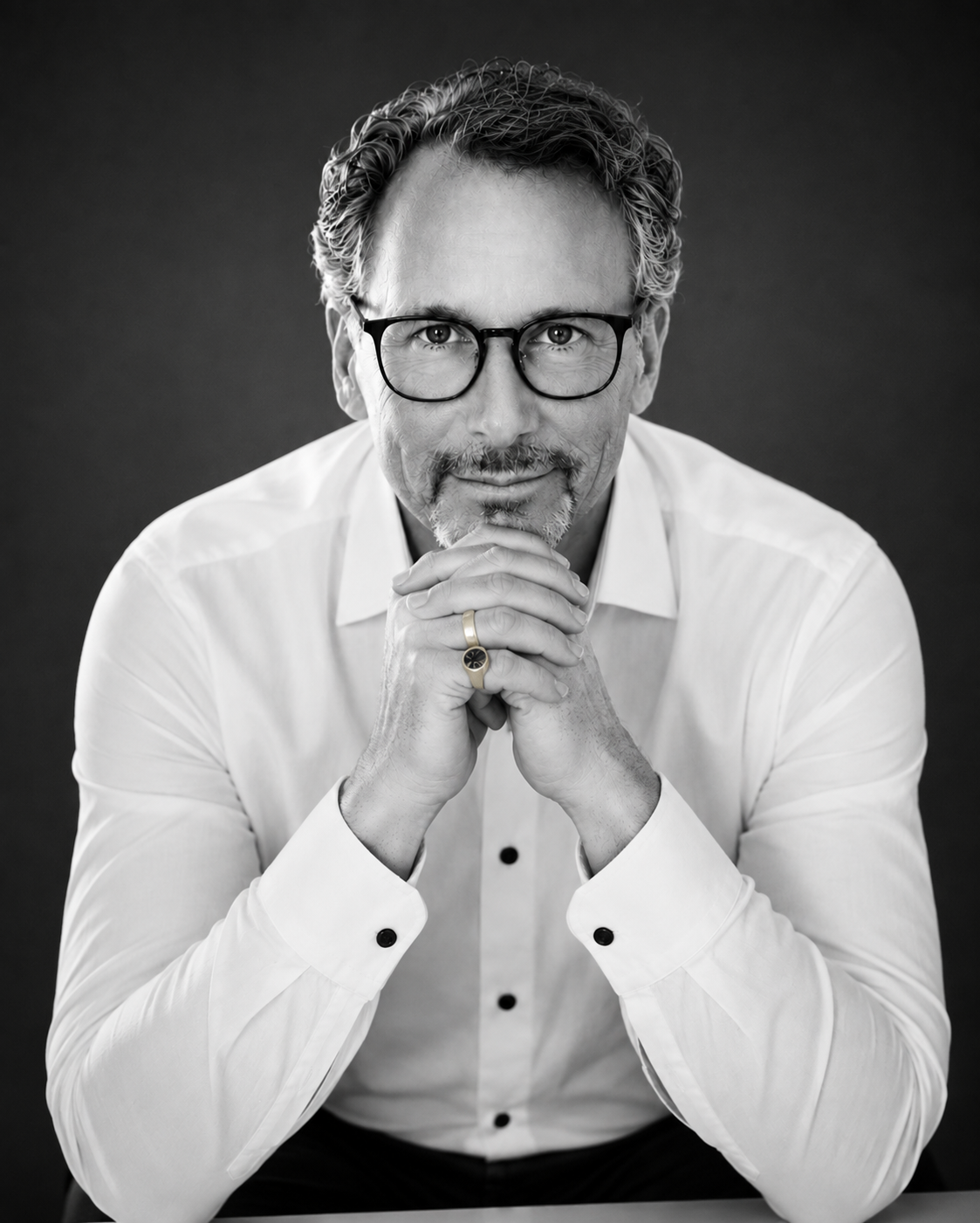
Warum wir alles verändern – nur unsere Demokratie nicht Giovanni di Lorenzo nannte eine Sammlung seiner Gespräche „Vom Leben und anderen Zumutungen“. Ein schöner Titel, denn das Leben hat die unangenehme Eigenschaft, unsere Pläne nicht vorher zu lesen. Alter, Verlust, berufliche Umwege: All das gehört dazu. Neu ist eher, dass inzwischen auch die Gesellschaft selbst […]

Wenn politische Debatten zu kurzen Clips werden und Widerspruch als Störung gilt Die zornigen alten Männer gelten gern als Problem dieser Republik: verbittert, rückwärtsgewandt, angeblich nicht mehr anschlussfähig. Wer so etikettiert wird, kann sich immerhin eine ausführliche Widerlegung seiner Argumente ersparen. Ein handliches Etikett ist schließlich schneller aufgeklebt als eine Gegenposition durchdacht. Doch die Frage […]

A few evenings ago in Bad Kissingen, I found myself in a long and unexpectedly moving conversation with a Korean chamber musician who had come to Germany as part of a cultural programme. What began as a casual exchange about music, travel and life between Europe and Asia gradually turned into something deeper: a reflection […]

Vom Ketzer zum Schwätzer – über Macht, institutionelle Verantwortung und die Grenzen organisierter Selbstkontrolle Es gehört zu den bemerkenswerten Widersprüchen moderner Demokratien, dass sie ihre Legitimation aus der Freiheit des Individuums beziehen, zugleich aber bisweilen ausgesprochen empfindlich reagieren, wenn diese Freiheit zur kritischen Auseinandersetzung mit bestehenden Machtstrukturen genutzt wird. Die Geschichte politischer und gesellschaftlicher Ordnung […]

Wenn Haltung zur Währung wird und das Argument an Bedeutung verliert Es gehört zu den bemerkenswerten Entwicklungen unserer Gegenwart, dass eine Gesellschaft, die sich mit guten Gründen auf Aufklärung, Pluralismus und individuelle Freiheit beruft, zugleich eine zunehmende Neigung entwickelt hat, komplexe Auseinandersetzungen in moralische Kategorien zu übersetzen. Was früher Gegenstand einer kontroversen politischen, wissenschaftlichen oder […]

It is an unsettling thought—and precisely for that reason, a necessary one: the Third World War has already begun. It wears no uniform, draws no clear front lines, and is not declared through official announcements. It unfolds quietly, diffusely, and persistently. Above all, it is not directed primarily against states, but against the human being […]

If we accept that the role of education is to furnish our children with the best understanding, skills and values for a prosperous and happy life, then how do we arm them for a future that we can’t imagine? Do we even need knowledge in a world of Alexa and Siri? Is the skill of agility now more valuable than the gaining of knowledge?

TEACH by Supreme International Education is a multipronged training programme for teachers, which will also develop a platform that facilitates a collaborative network of leadership activities.

For me it is not about giving money, but about solving problems, the idea of writing a cheque and calling it “philanthropy” is extremely short-sighted. Having a lot of money doesn’t make you a philanthropist or a humanitarian.
The Pallushek family crest represents a connection to a family history that, according to family tradition, reaches back to the fourteenth century.
Historically, coats of arms served as identifying symbols and were often displayed on shields, helmets or other heraldic elements. For me, the family crest is less a claim to status than a reminder of the values passed between generations: responsibility, perseverance and the confidence to shape one’s own future.
Its symbolism invites reflection on continuity and change. The past offers a foundation, but its greatest value lies in what we choose to make of it today.
Originally published on 17 November 2014. Editorially revised in 2026.
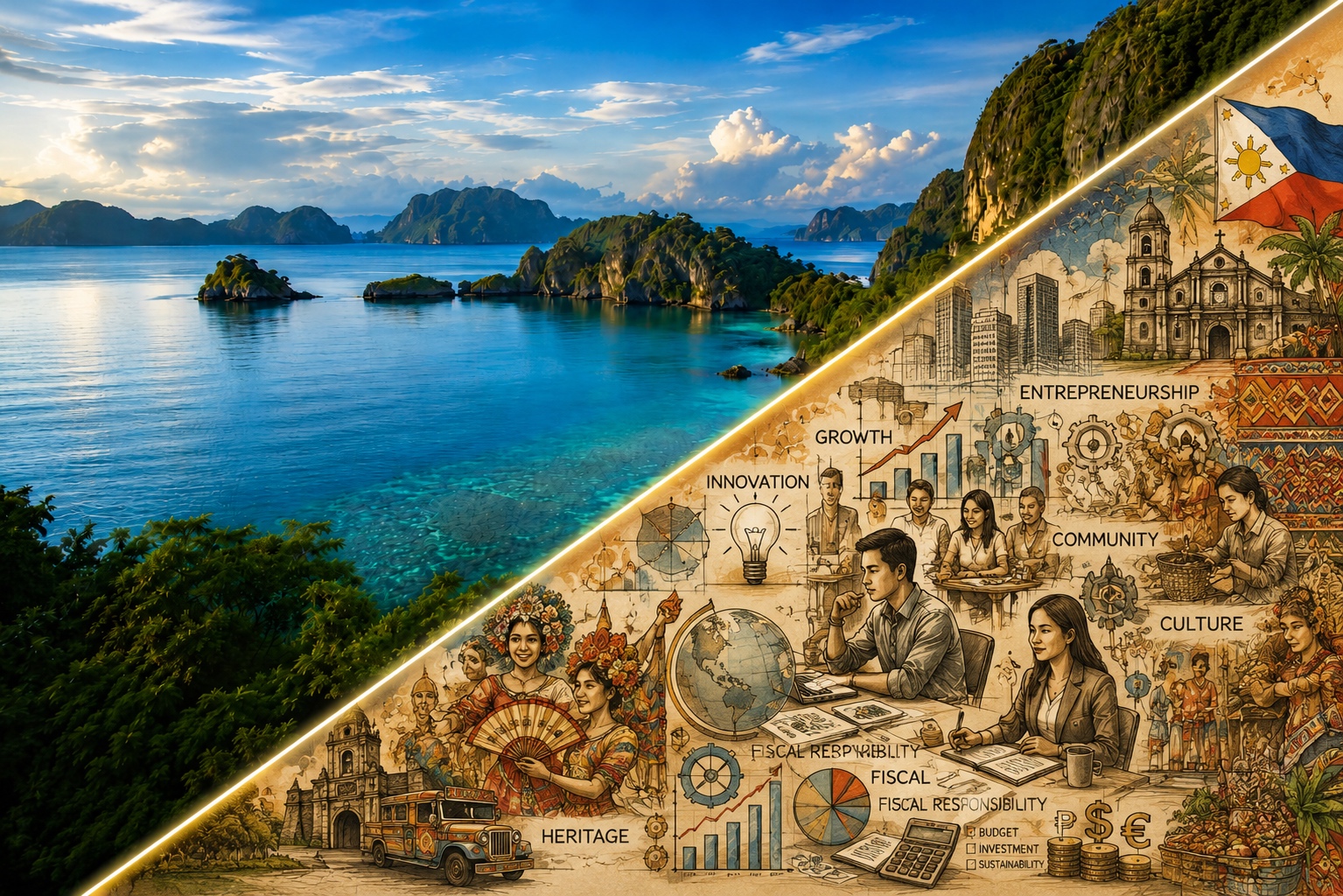
There are countries one visits, appreciates and eventually files away among the many impressions accumulated through travel. And then there are places that return to one’s attention — sometimes years later — because they appear differently when viewed through the lens of experience. For me, the Philippines increasingly belongs to the second category. Having travelled […]
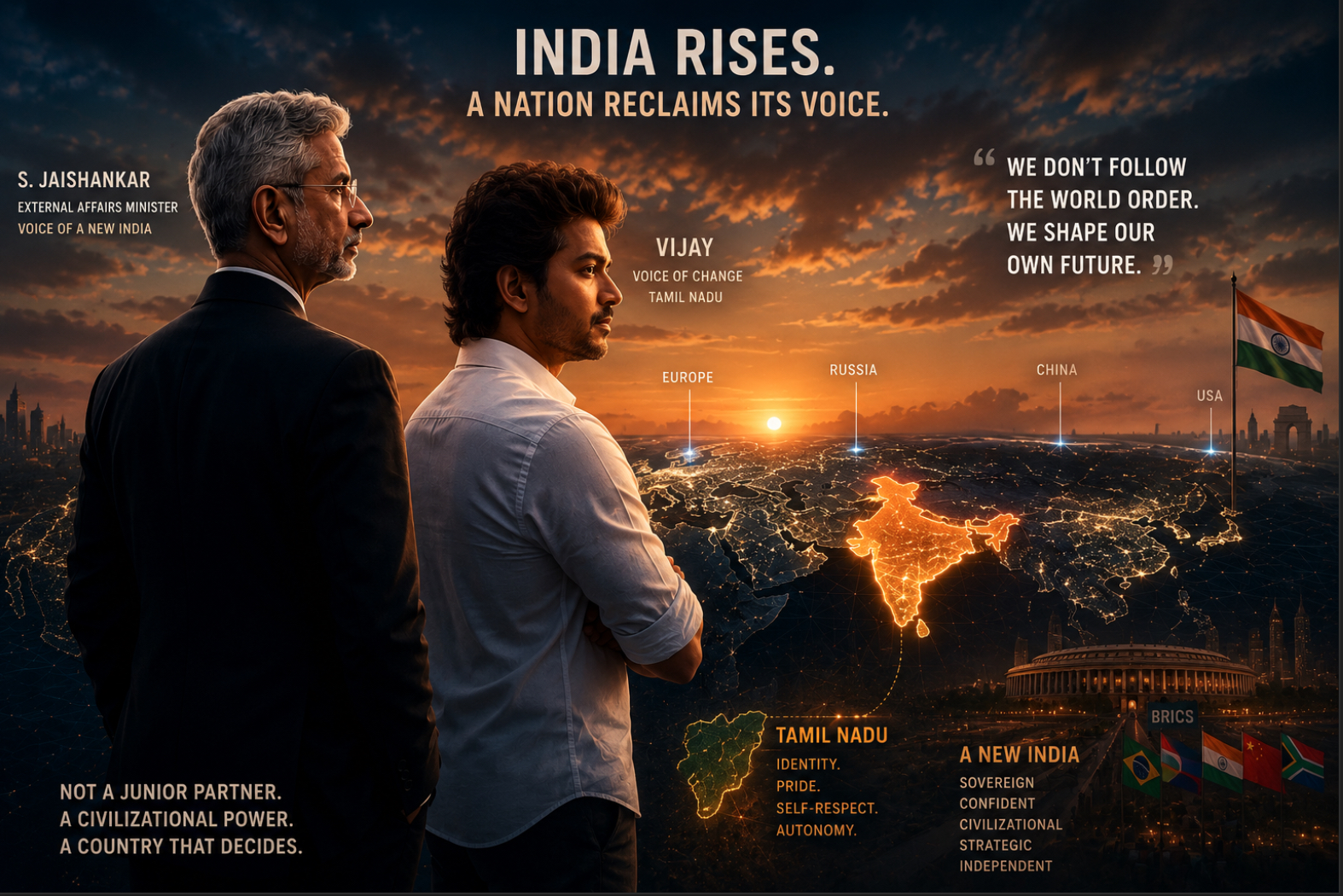
After almost two decades connected to India, I learned one fundamental truth: political systems rarely collapse overnight. They slowly erode — until a moment arrives when resistance becomes socially legitimate, visible, and eventually powerful enough to reshape the structure itself. That moment now appears to be unfolding globally. India is currently experiencing a remarkable transformation. […]

Part II — The Algorithmic Mirror In 2015, I wrote an article titled Je suis Thomas. At the time, it was a deeply human reflection:about individuality,about resisting intellectual conformity,about the tension between identity and collective expectation. It was written emotionally.Instinctively.Almost philosophically. More than a decade later, something unusual happened. I asked Artificial Intelligence a deceptively […]

Reflections on International Leadership, Assimilation and the Illusion of Global Mobility More than a decade ago, I wrote an article titled “Abroad — As You Want It.” At the time, the piece was largely philosophical in nature. It revolved around openness, cultural adaptation, personal attitude, and the simple idea that people ultimately tend to find […]

Von der Freiheit, unbekannt zu bleiben – und dem Glück, erkannt zu werden In einer Großstadt kann man jahrelang neben denselben Menschen wohnen, ohne ihre Namen zu kennen. Man begegnet sich im Treppenhaus, nickt höflich und verschwindet wieder in der eigenen Welt. In einer Kleinstadt ist das anders. Dort weiß der Nachbar nicht nur, wer […]

But wait! There’s more!
How about that one: “We get to invade people and they don’t get to invade us, it’s a very nice thing”. Fear shouldn´t be the base of any actions and this what they are … afraid! Because they always have the intention to dominate others for their financial advantages war business and oil reserves . . .
How nice indeed, huh?

The hunger for the American Dream may have faded away at some point in the 90’s, but it’s coming back with a vengeance, and guess who’s paying the bill? Education among other things!

English is today’s lingua-franca and, let’s be honest, is likely to remain as such for a long, long time. On the other hand, my experiences as both an expat and traveller have shown me that wherever you go, locals will always appreciate any effort you’ll put into speaking their language. Trying to learn the language is viewed by most as a true sign of good faith when it comes to integrating a community. At the same time, more and more is done by governments and organizations to preserve local variants and minority languages.

This whole experience taught me a great lesson: it’s not just because everybody’s doing something that you have to do it, too, if it doesn’t make any sense to you. The way the priest looked at me, his silence even, were very judgmental, though. I got away with it because my parents stood for freedom of thought, but the man tacitly expressed his disapproval. Without doubt, to him I was some kind of freak for daring to question the ways of the world. Well, I say screw him! I am not a freak. I am Thomas and if God exists, I was a wonderful thing for Him to create!

Which is best: a native language teacher or a non native language teacher? This is a question that’s been debated for decades among professionals and scholars and that’s unlikely to ever find a definitive answer. However, non-professionals often have this preconception that native is necessarily better than non-native and I think this has quite a negative impact on the international schools’ market.

I have listened so many expatriates’ stories over the years: and most of them had fallen into the same trap: focusing on the negative, and ONLY the negative aspects of their new environment.
The Pallushek family crest represents a connection to a family history that, according to family tradition, reaches back to the fourteenth century.
Historically, coats of arms served as identifying symbols and were often displayed on shields, helmets or other heraldic elements. For me, the family crest is less a claim to status than a reminder of the values passed between generations: responsibility, perseverance and the confidence to shape one’s own future.
Its symbolism invites reflection on continuity and change. The past offers a foundation, but its greatest value lies in what we choose to make of it today.
Originally published on 17 November 2014. Editorially revised in 2026.
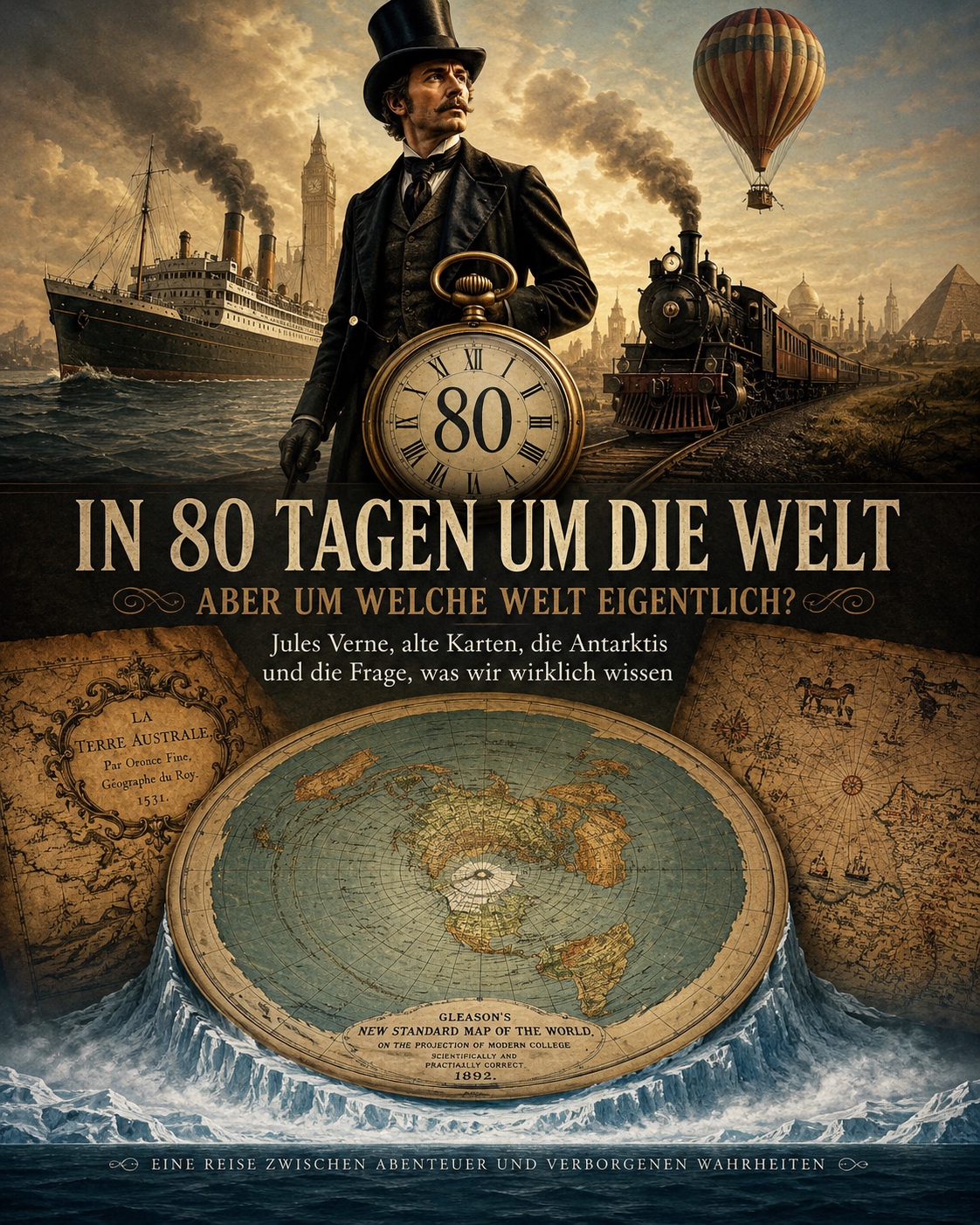
Jules Verne, alte Karten, der unbekannte Süden und die Kunst des begründeten Zweifels. Als Jules Verne seinen Roman In 80 Tagen um die Welt veröffentlichte, war die Welt noch groß genug, um ihre Bewohner in Erstaunen zu versetzen. Eine Reise um den Globus war ein Abenteuer, keine Kombination aus Flugbuchung, Kreditkarte und gelegentlich verlorenem Gepäck. […]

As the year is winding down, I have begun to reflect about what I have personally accomplished in 2014. Like so many travel bloggers out there, I have traveled to several new countries this year – I have been to new places, seen new faces, and tasted some delicious food.

The Leela Palace in Bangalore is a getaway to a pristine location where quietness and calmness prevail within Indian nature. Carpets of grass, the musical chimes of waterfall and landscaped gardens are what attracts me. Away from the hustle and bustle of city life, the Leela Palace has carved out the mother nature in the best possible way. As you enter the doors of this hotel, it is more of a palace than a hotel.
The Pallushek family crest represents a connection to a family history that, according to family tradition, reaches back to the fourteenth century.
Historically, coats of arms served as identifying symbols and were often displayed on shields, helmets or other heraldic elements. For me, the family crest is less a claim to status than a reminder of the values passed between generations: responsibility, perseverance and the confidence to shape one’s own future.
Its symbolism invites reflection on continuity and change. The past offers a foundation, but its greatest value lies in what we choose to make of it today.
Originally published on 17 November 2014. Editorially revised in 2026.

For me, the classic club sandwich remains one of the most difficult disciplines in hospitality. Simple in appearance.Brutally unforgiving in execution. Perhaps that is precisely why the club sandwich has always been one of the great unspoken benchmarks of serious four- and five-star hotels. Because nothing can hide. The bread must be perfectly toasted — […]

Warum Spaghetti Aglio e Olio zu den anspruchsvollsten Gerichten der italienischen Küche gehören Es gibt Gerichte, die ihre Komplexität hinter kostbaren Zutaten verbergen. Trüffel, Kaviar oder Wagyu verleihen einer Kreation bereits durch ihre Exklusivität eine gewisse Aura. Und dann gibt es Spaghetti Aglio e Olio: ein Gericht von verblüffender Schlichtheit, das gerade deshalb keine Nachlässigkeit […]

I grew up in a Espresso culture, where Espresso is considered as an indulgent experience. Unlike in many countries, particularly the United States, where coffee is often used as a crutch to keep us going in our fast-paced world, but for me Cappuccino’s and Espresso’s are usually a time of relaxation and enjoyment.

Über zwei Alfa Romeo, die sexuelle Revolution und einen Freund, dessen Identität ich aus Gründen der Diskretion nicht preisgeben möchte. Es gibt Geschichten, die man besser einem Freund zuschreibt. Nicht, weil sie besonders anstößig wären, sondern weil ein gewisser zeitlicher Abstand der eigenen Würde durchaus zuträglich ist. Dieser Freund war in den siebziger und achtziger […]

Relaxing on the shores of beaches is great and all, but for Mr. Pallushek it’s the little things that will make it into a truly extravagant experience – little things like having one of the best private chef, preparing sumptuous, nutritious meals for him!
The Pallushek family crest represents a connection to a family history that, according to family tradition, reaches back to the fourteenth century.
Historically, coats of arms served as identifying symbols and were often displayed on shields, helmets or other heraldic elements. For me, the family crest is less a claim to status than a reminder of the values passed between generations: responsibility, perseverance and the confidence to shape one’s own future.
Its symbolism invites reflection on continuity and change. The past offers a foundation, but its greatest value lies in what we choose to make of it today.
Originally published on 17 November 2014. Editorially revised in 2026.